
Course Overview
Audio Engineer
For Shipboard Operations
Professional training in live sound, shipboard audio systems, and entertainment production, preparing students for audio technician roles across cruise ship venues and live performance environments.
Class
Start date
Availability
Time
Training Program
16 Apr-19 Apr
Closed
Please check
Trial Course
11 May
Open seat
20:00h CEST
Training Program
14 May - 17 May
Open seat
Please check
Software

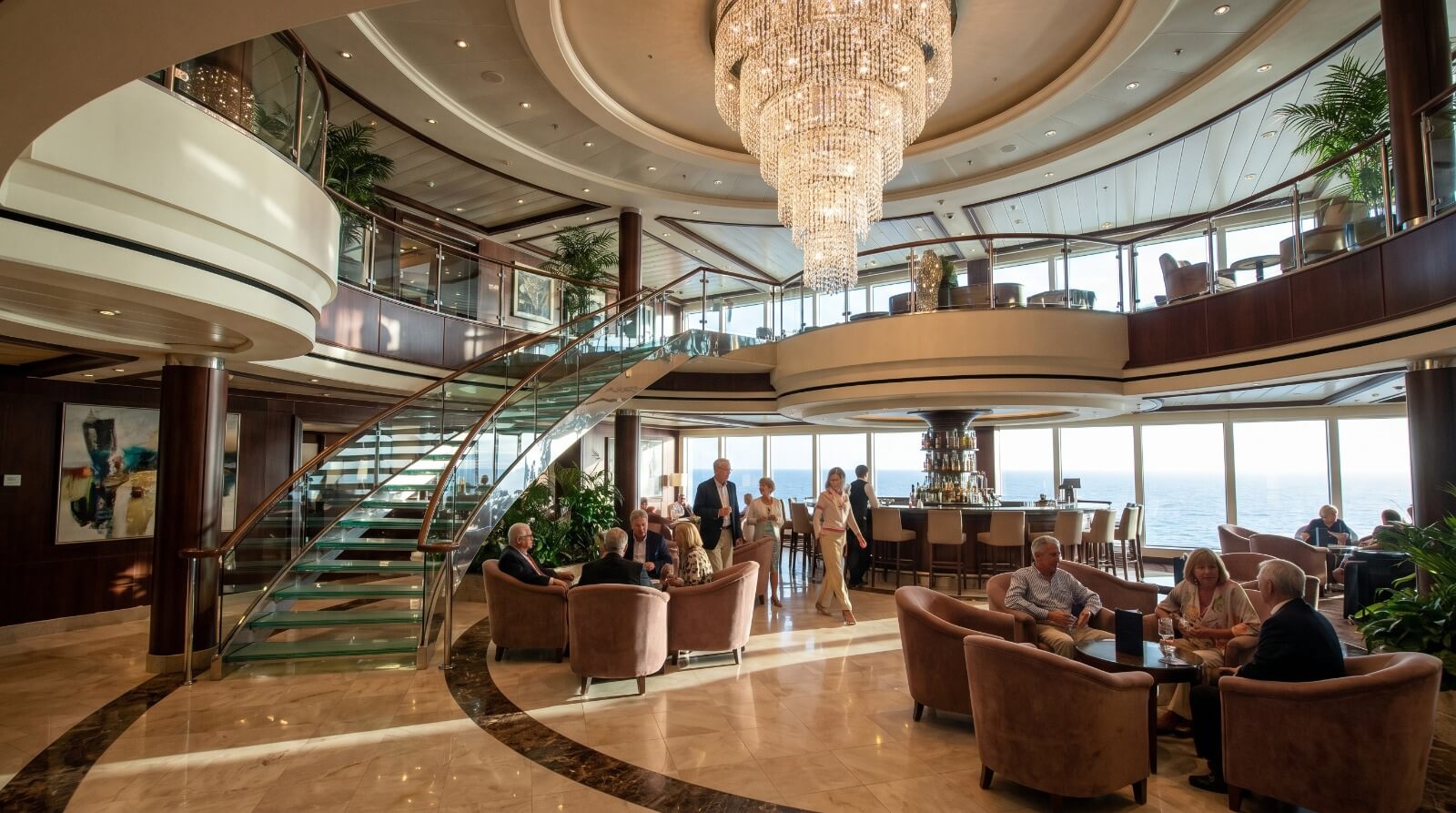
The Audio Engineering Specialist program is an intensive training course designed to prepare participants for audio technician roles on cruise ships.
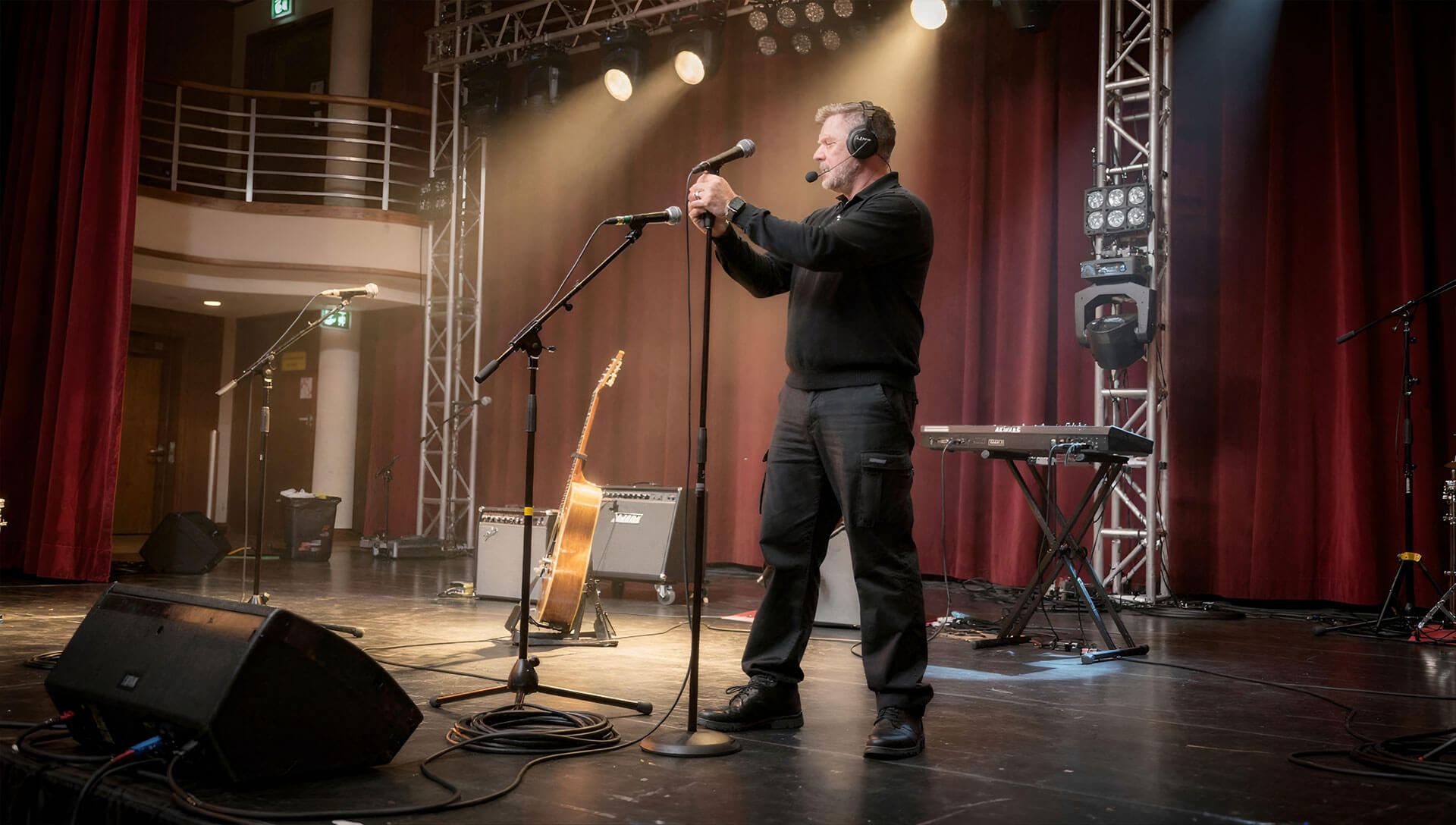
This short-format professional program focuses on live sound operations, shipboard audio systems, RF microphone management, and entertainment audio workflows used across the cruise industry.
The curriculum combines core audio theory, live mixing fundamentals, and hands-on software and system training, enabling participants to understand how onboard theatres, lounges, and multi-purpose venues operate in a maritime environment.
Strong emphasis is placed on signal flow, troubleshooting, and system reliability, preparing participants to respond efficiently to real-time operational scenarios at sea.
Participants gain practical experience with industry-standard audio tools and technologies, including Adobe Audition for audio editing and post-production and Dante Audio-over-IP for digital audio networking and signal distribution, alongside digital mixing consoles and wireless audio systems used onboard modern cruise ships worldwide.
The program bridges the gap between technical theory and real shipboard workflows, preparing candidates for entry-level audio engineering and entertainment AV technical roles.
This program is ideal for individuals seeking audio engineering training for cruise ship jobs, as well as technicians looking to expand their skills in live sound, entertainment audio, and shipboard AV operations
Typical salary ranges for these roles vary from 2000$ to 3000$ USD per month, depending on the experience and the company
Anaya G.
Audio Engineer
Royal Caribbean
" I came in with basic audio knowledge, but I needed hands-on shipboard experience. The academy trained me in live sound for performances and events at sea. Now I'm confidently manage audio on every voyage."
Learn the core basics of audio engineering, and onboard technical systems while getting a guided walkthrough of our full curriculum, tools, and job preparation process.
In this session, we introduce key concepts, explain how the program is structured, and show you exactly how this training leads to real cruise ship job opportunities.
- Ship Life & Working Onboard Cruise Ships
- Audio Engineering Roles & Technician Duties
- Introduction to Audio Technology on Cruise Ships
- Principles of Audio
- General Multimedia, AV & Shipboard Support
- Microphone Management & RF Systems
- Mastering Digital Audio Engineering Consoles
- In-Depth Live Mixing Techniques & Show Control
- Show Stop Procedures & Emergency Protocols
- Making the Sound: Practical Audio Workflow
- Maintenance, Repair & Inventory in a Ship Environment
- Adobe Audition for Shipboard Audio
- Dante Audio Networking & Audio-over-IP
- QLab Show Control & Playback Systems
- Career Preparation & Job Placement Support
The Audio Engineering Specialist curriculum focuses on real shipboard audio systems, live entertainment workflows, and operational procedures at sea, combining audio engineering theory, live sound production, system maintenance, and professional software and networking tools used onboard modern cruise ships.
Day 01
Module 1 – Ship Life & Working Onboard Cruise Ships
- Life and living conditions onboard cruise ships
- Ship hierarchy, departments, and communication flow
- Daily routines, working hours, and responsibilities
- Professional conduct, safety culture, and teamwork
- Multicultural working environment
Module 2 – Audio Engineering Roles & Technician Duties
- Role of the Audio Technician and LES Technician onboard
- FOH, monitor mixing, and show operation responsibilities
- Collaboration with production, stage, and entertainment teams
- Daily technical duties and operational expectations
- Professional standards and accountability at sea
Module 3 – Introduction to Audio Technology on Cruise Ships
- Overview of shipboard audio systems and venues
- Theatres, lounges, pool decks, and multi-purpose spaces
- Audio signal flow onboard cruise ships
- Integration with video, lighting, and broadcast systems
- Ship-specific technical limitations and considerations
Module 4 – Principles of Audio
- Fundamentals of sound: frequency, amplitude, and decibels
- Human hearing and psychoacoustics
- Phase, polarity, and dynamic range
- Acoustics in enclosed ship environments
- Analog vs digital audio fundamentals
Module 5 – General Multimedia, AV & Shipboard Support
- General AV support across ship venues
- Lounge, presentation, and event audio setups
- Interaction with guest entertainers and activity teams
- Basic lighting and video awareness for audio technicians
- Safety procedures and SOLAS awareness
Day 02
Module 6 – Microphone Management & RF Systems
- Microphone types and professional applications
- Wireless microphone systems and RF coordination
- Antenna placement and signal stability
- Headset, lavalier, and handheld microphone handling
- Battery management and RF troubleshooting
Module 7 – Mastering Digital Audio Engineering Consoles
- Digital console architecture and workflows
- Input patching, routing, and bus structure DCAs, VCAs, snapshots, and show files
- FOH and monitor console operation
- Soundcheck and rehearsal workflows
Module 8 – In-Depth Live Mixing Techniques & Show Control
- Gain staging and mix balance
- EQ, dynamics processing, and effects
- Mixing techniques for different performance styles
- Playback systems and cue execution
- Time code basics and automated show elements
Module 9 – Show Stop Procedures & Emergency Protocols
- Medical and technical show stop scenarios
- Audio technician responsibilities during emergencies
- Immediate audio kill and system control
- Emergency communication and coordination
- Documentation and post-incident reporting
Module 10 – Making the Sound: Practical Audio Workflow
- Building and shaping a professional live mix
- Adapting sound for different venues and audiences
- Performer communication and mix adjustments
- Maintaining audio quality during live shows
- Real-time decision-making under pressure
Module 11 – Maintenance, Repair & Inventory in a Ship Environment
- Preventive maintenance in a maritime environment
- Troubleshooting audio systems onboard
- Cable repair, connectors, and signal testing
- Inventory management and spare parts control
- Documentation, logs, and technician handover
Day 03
Module 12 – Adobe Audition for Shipboard Audio
- Audio editing, cleanup, and restoration workflows
- Preparing playback and show audio files
- File formats, levels, and export standards
- Managing audio assets for onboard use
- Practical applications in cruise ship operations
Module 13 – Dante Audio Networking & Audio-over-IP
- Introduction to Audio-over-IP concepts
- Dante Controller interface and routing
- Network basics, clocking, and latency
- Redundancy and system reliability onboard
- Troubleshooting Dante networks at sea
Module 14 – QLab Show Control & Playback Systems
- Introduction to QLab interface and basic workflow
- Creating and managing audio, video, and cue lists
- Cue triggering, timing, and show control basics
- Running playback for live shows and performances
- Troubleshooting and handling real-time show situations
Day 04
Career Preparation & Job Placement Support
- Personalized 1-on-1 career consultation with academy instructor
- Professional CV review and optimization for cruise industry standards
- Step-by-step guidance on job applications and hiring process
- Interview preparation with real onboard scenarios and tips
- Direct submission of your CV to cruise crew agencies by our academy
Trial Course 11 May Monday 20:00 CEST
Training Program 14 May Thursday 17:00 – 21:00 CEST
15 May Friday 17:00 – 21:00 CEST
16 May Saturday 08:00 – 14:00 CEST
17 May Sunday Individual consultation
For the consultation, the correct time will be sent to your e-mail after the course
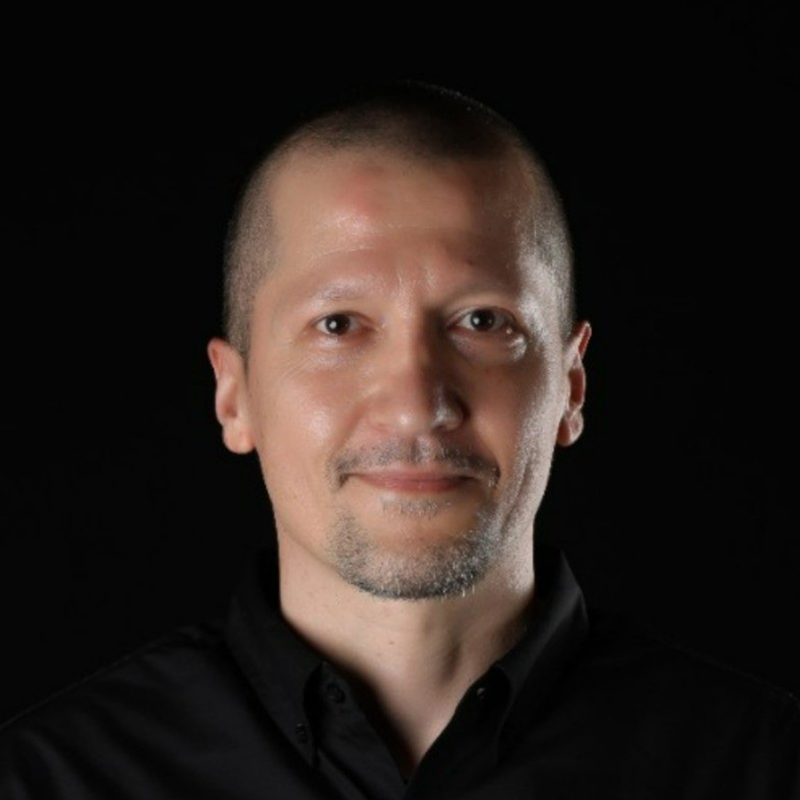
Igor Pesic
Entertainment Technical Manager
With more than 30 years of experience spanning audiovisual arts, electro-mechanical engineering, and maritime leadership, Igor Pesic offers a unique, multi-disciplinary perspective as a lecturer. His career began with early success in filmmaking, followed by a technical education in engineering and a degree in Audiovisual Media (Film & TV) from the Academy of Arts in Belgrade, Serbia.
As a practitioner, Igor has founded a film festival and a drama school, earning prestigious accolades like the Letter for Contribution to Radiophone Art. In 2014, he transitioned to the cruise industry, managing broadcast and digital operations for the world’s largest vessels, including the Royal Caribbean’s Allure of the Seas – the world biggest cruise ship at the time. Across thirteen ships and various dry-dock projects, he have served as a Broadcast Manager and Entertainment Technical Manager, leading diverse, multinational teams.
A dedicated educator, Igor holds a TEFL certificate and is specialized in leading and motivating people with different personalities and cross-cultural management. This blend of technical mastery and leadership psychology allows him to bridge the gap between complex engineering systems and the interpersonal skills required to succeed in global industries. He is committed to fostering an environment of lifelong learning and operational excellence.
Audio Engineer For Shipboard Operations
Tuition & Fees
CTA Certificate in Audio Eng. For Shipboard Operations
Program Duration: 14 hours, over the course of four days
| Tuition* | 594.00€ |
| Cost per Unit | 44.50€ |
| Confirmation of Acceptance Fee** | 25.00€ |
| Total Program Tuition & Fees | 620.00€ |
* CTA reserves the right to increase tuition and/or fees.
** Non-refundable, except when cancellation is requested within thirty (30) calendar days of signing the enrollment agreement and submitting the initial payment. In such cases, a full refund will be issued.
*** Effective January 1st, 2026
Ready to apply or have any questions? Our Admissions Advisors are available to guide you through every step of the application process, including offering feedback on your portfolio, answering questions, and providing assistance along the way.
Step 1
Speak with an Advisor (Optional)
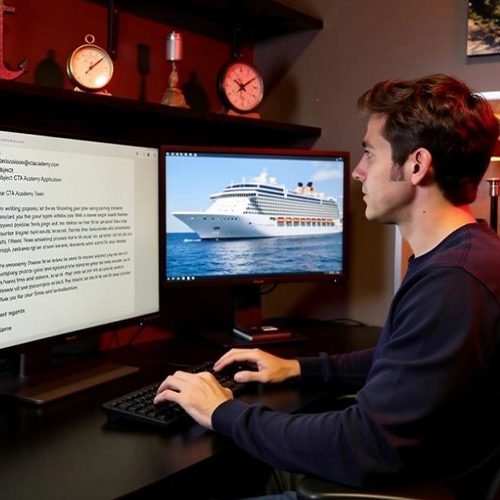
At Cruise Training Academy, your journey begins with a clear and professional exchange of information. Our Admissions Advisors are experienced professionals who understand both our training programs and the real operational demands of technical careers onboard cruise ships.
This optional consultation is intended to help prospective participants better understand the available programs, career pathways within shipboard technical departments, and the expectations and standards of working at sea. All initial inquiries and applications are handled via email, ensuring structured communication and thoughtful responses without the need for scheduled calls.
Candidates who already feel confident may proceed directly with their application. For others, this step offers additional clarity and direction before moving forward within the Cruise Training Academy admissions process.

Step 2
Submit Your Application & Reserve Your Spot
Once you are ready to move forward, the next step is to submit your application and secure your place in the selected program. This step confirms your intent to enroll and allows us to formally reserve a training spot for you.
By completing the online application and submitting the course fee for your chosen program, you ensure access to the upcoming intake and training materials. Enrollment is limited to maintain focused instruction and industry-level standards.
After submission, your application will be processed and confirmed by our admissions team. You will then receive further information regarding program access, onboarding details, and next steps as you prepare to begin your training with Cruise Training Academy. This step confirms your placement within the upcoming program intake.
Step 3
Earn Your CTA Certificate
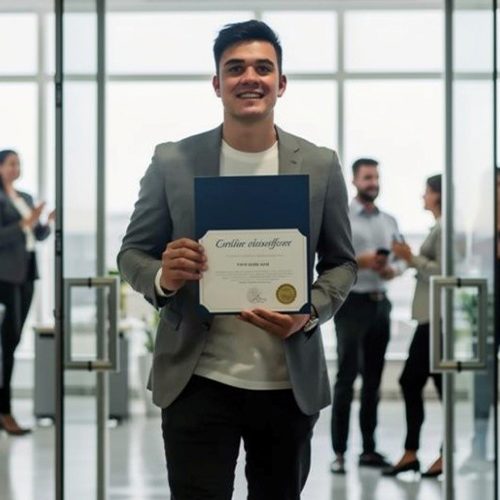
Upon successful completion of the program, participants receive a Cruise Training Academy Certificate, confirming that they have completed focused, short-format training designed to reflect real shipboard workflows, operational standards, and the practical expectations of technical roles onboard modern cruise ships.
CTA programs are built around the skills, procedures, and professional standards recognized across the cruise industry and aligned with the expectations of major cruise lines. Participants complete the program with job-ready knowledge and a clear understanding of how technical departments function at sea.
This certificate represents readiness to step into cruise ship technical environments with confidence, professionalism, and awareness of industry requirements – supporting the next step in a participant’s career within the global cruise industry.